Anonymous
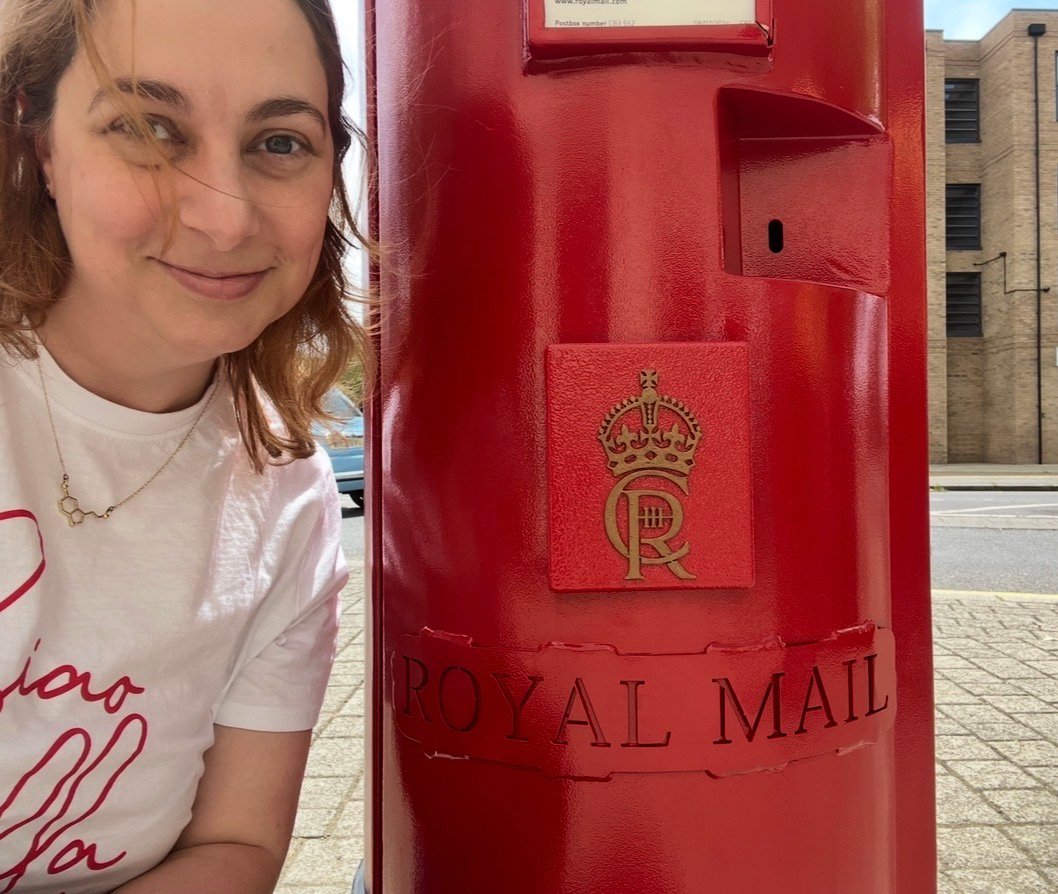
I started photographing post boxes in 2024. I have had an interest in the post office for many years. The app is teaching me about post box history and enables me to record the box location on a map. I am having fun.
PostboxMap is for spotters, local historians and anyone who enjoys getting outdoors. Contributors pin postboxes on the map, log visits and share photos. Here is what some of them say in their own words.
Already registered? Log in
Longer member stories sit first. Short quotes that are not featured on the homepage appear below. You can share your own story from your profile.
6 stories
I started photographing post boxes in 2024. I have had an interest in the post office for many years. The app is teaching me about post box history and enables me to record the box location on a map. I am having fun.
I have been wanting someone to make this map forever! Postbox spotting can be a fun hobby but this makes it easier and adds another layer with points and photos. It’s also updated regularly by active admins and a designer who keeps striving for improvements. Highly recommend
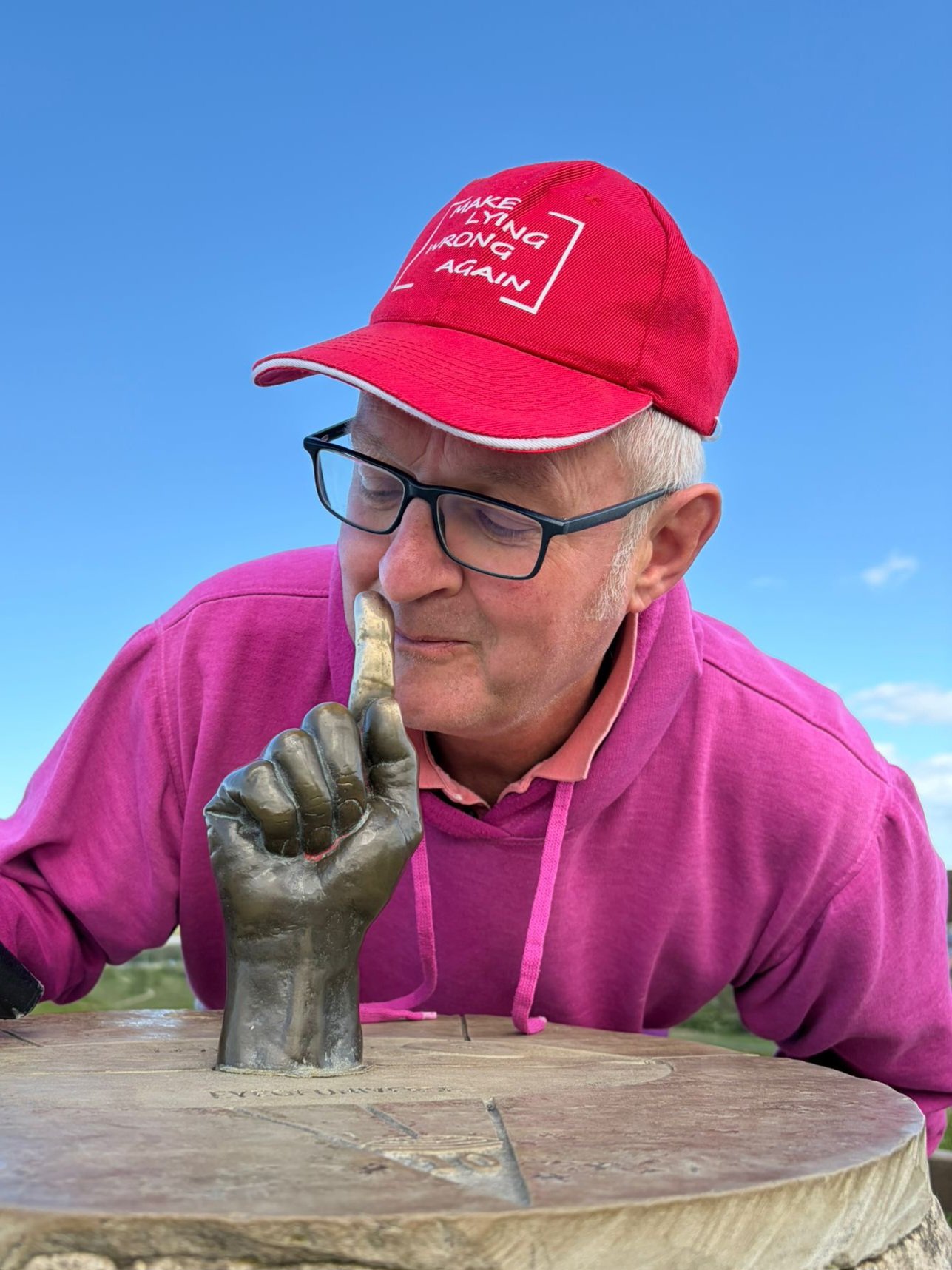
I've been interested in Industrial Archaeology for a number, initially via the Greater London Industrial Archaeology Society. At some stage I became interested in the work of Andrew Handyside who, of course, made many post boxes, so I always keep an eye out for them in particular. I'm helping build an online industrial archaeology database called Industrial History Online. So I'm often out looking at sites. So when I came across this post box site it made sense to record them as well on my travels. And it's good exercise too!
Postboxes barely registered on my horizon, aside from practical use, of course, until about five years ago. It was then that I spotted my first Edward the seventh box with its highly florid artwork and this set me off looking for the six cyphers then available. Luckily, my home town of Harrow is able to supply these plus a replica Penfold and after this I’ve kept an eye out for unusual boxes wherever I go. Edward the eighth is the grail for me and I’ve hunted down eight so far with a couple more in my sights as I write but I love to see the Victorian boxes and any oddities that other spotters come across. The site offers the perfect opportunity to get serious about logging your discoveries and sharing the little pieces of history that every post box has; it may not be long before they go the way of telephone boxes so now’s the time to get out and about and find them.
I like contributing to postbox map because I want to help build a comprehensive database of all publicly available postbox types which can be accessed by anybody. I would find this to be a useful resource when travelling about the country, so I can find unusual/rare postboxes.
For much of my life, postboxes barely registered in my awareness. They were simply functional objects—painted red and used to post a letter. It wasn’t until I moved to London that my perspective began to change. Growing up in Yorkshire, exploring anything of interest meant travelling miles. In London, history and curiosity are close at hand—often just a short journey by bus or Underground. I discovered Geocaching, which took me, my wife, and our dogs to many interesting places. Through the same platform, I found Waymarking, which appealed even more as it combined exploration with learning. One subject that stood out was Victorian postboxes. These early pillar boxes, especially those bearing the cipher of Queen Victoria, captured my interest. They represent the beginnings of the UK’s postal system, and I still think her cipher is the most attractive. When I retired in 2014, the Freedom Pass allowed me to travel freely. I set a goal to visit every station on the London Underground. Many had postboxes nearby, though not all were Victorian, so some were passed by. Around that time, I discovered a project by Historic England to photograph listed buildings. I was surprised to learn that many Victorian postboxes are listed, including the distinctive Penfold postboxes. Though listings are brief, they ensure protection. More recently, I found the UK Postbox app, which lets me upload my photos and add information. As getting out becomes harder, this helps me stay engaged. For enthusiasts, The Postal Museum is well worth a visit. I remember visiting the Mount Pleasant Mail Centre in the 1960s and seeing the underground mail railway. I never imagined I’d later ride it myself on the restored Mail Rail.
Not on the homepage, still worth reading.
2 quotes
“I'm Rob. I map postboxes on OpenStreetMap, and am enjoying uploading my box photos in here and seeing others' photos too”
“A fantastic community map that brings UK postboxes to life. Explore local history wherever you go.”
Registration is free. You will get points for approved submissions, can log visits and join a friendly community of mappers.
Get started